Wood Shutters vs. Composite Shutters vs Other Window Treatments
When choosing window treatments for your home, the options can feel overwhelming. From curtains and blinds to shades and shutters, each has its unique advantages. However, one option consistently earns praise for its blend of functionality, style, and durability: interior wood shutters. These classic window coverings have been a go-to choice for homeowners looking to elevate their spaces while gaining practical benefits.
📌 Key Takeaways
Interior wood shutters offer timeless beauty, natural warmth, and excellent durability.
Composite shutters provide strong moisture resistance and low-maintenance performance.
When comparing Wood Shutters vs. Composite Shutters, consider the room’s humidity, style, and maintenance requirements.
Wood shutters are ideal for homeowners seeking authentic natural materials and premium aesthetics.
Composite shutters are well suited for kitchens, bathrooms, and other high-moisture spaces.
Both options provide effective light control, privacy, and potential energy-efficiency benefits.
Understanding the differences between Wood Shutters vs. Composite Shutters can help homeowners choose the best option based on style, durability, maintenance, and room conditions.
In this blog, we’ll explore how interior wood shutters & composite shutters compare to other window treatments, what makes them unique, and why they’re a top choice for many.
Understanding the World of Window Treatments
Window treatments do more than cover your windows. They contribute to the look and feel of a room, provide privacy, and even improve energy efficiency. Here are some common types:
Curtains and Drapes
- Made from fabric, they bring softness to a space and come in endless styles and colors.
- While versatile, they can fade over time and may require regular cleaning.
Blinds
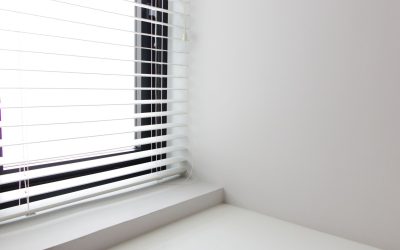
- These include horizontal, vertical, and Venetian blinds, usually made of plastic, metal, or wood-like materials.
- Affordable and functional, but they can feel less sturdy and more utilitarian.
Shades
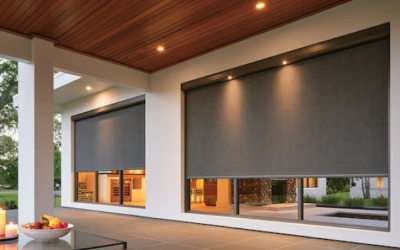
- Roller, Roman, or cellular shades offer a minimalist look with decent light control.
- They lack the durability and aesthetic appeal of other treatments.
Interior Wood Shutters
- These solid wood panels with adjustable louvers are built to last, offering a timeless, sophisticated look.
- Known for their exceptional durability and versatility.
Composite Shutters
- Crafted from durable engineered materials, composite shutters offer the classic appearance of wood with enhanced resistance to moisture & wear.
- Known for their low-maintenance design and suitability for high-moisture areas.
While each option serves a purpose, interior wood shutters stand out for their premium aesthetics, while composite shutters are better suited for high-moisture areas.
When comparing Wood Shutters vs. Composite Shutters, the best choice often depends on whether you prioritize the natural beauty of real wood or greater resistance to moisture.
What Makes Interior Wood Shutters Special?
Timeless Elegance
The comparison of Wood Shutters vs. Composite Shutters often begins with appearance, as natural wood offers distinctive grain patterns and authentic warmth that many homeowners value. Unlike trendy options that may look dated in a few years, interior wood shutters offer a classic style that complements almost any home décor. Whether your space is modern, traditional, or somewhere in between, wood shutters enhance the design without overpowering it.
Exceptional Durability
For Wood Shutters vs. Composite Shutters, durability depends on the environment, with wood performing beautifully in dry spaces and composite materials offering advantages in humid conditions. Made from high-quality hardwood, interior wood shutters are built to last. Unlike fabric curtains that fade or blinds that bend, wood shutters can endure daily use without losing their charm. With proper care, they can remain a permanent fixture in your home for decades.
Custom Fit for Every Window
One of the standout features of interior wood shutters is their ability to be custom-made for any window shape or size. Whether you have tall French doors, arched windows, or unique bay designs, these shutters fit seamlessly, adding a polished look.
Versatile Light and Privacy Control
The adjustable louvers on interior wood shutters give you precise control over light and privacy. Whether you want to flood the room with natural light or create a cozy, private atmosphere, you can easily achieve the perfect setting.
Interior Wood Shutters vs. Composite Shutters vs Other Window Treatments
Material and Build
- Interior Wood Shutters: Made from solid wood, these shutters feel substantial and premium, offering a natural warmth that synthetic materials can’t replicate.
- Blinds and Shades: Often made of plastic, metal, or fabric, they may feel less robust and are prone to wear and tear.
- Composite Shutters: Made from engineered wood composites and durable polymers, these shutters provide excellent strength and stability while resisting moisture, warping, and cracking.
Design Appeal
- Interior Wood Shutters: Known for their clean lines and sophisticated look, they can enhance the aesthetic of any room.
- Curtains and Drapes: While they add softness, they lack the structure and timeless appeal of wood shutters.
- Composite Shutters: Designed to mimic the appearance of real wood, they offer a clean, elegant look that complements both traditional and modern interiors.
Energy Efficiency
Considering Wood Shutters vs. Composite Shutters can also help you evaluate insulation, as both solid window treatments can contribute to improved indoor comfort.
- Interior Wood Shutters: Their solid construction acts as an insulator, helping to keep your home cooler in summer and warmer in winter.
- Other Options: While cellular shades are designed for insulation, most treatments don’t offer the same energy-saving benefits.
- Composite Shutters: Their solid construction helps reduce heat transfer through windows, improving indoor comfort and supporting energy efficiency year-round.
Maintenance
- Interior Wood Shutters: Easy to clean with a simple dusting or occasional wipe-down.
- Curtains and Shades: It Require more upkeep, including washing or professional cleaning to avoid dirt buildup.
- Composite Shutters: Highly resistant to moisture and stains, they require minimal upkeep and can be cleaned easily with a damp cloth.
Longevity
- Interior Wood Shutters: A long-term investment that can outlast most other treatments.
- Blinds and Curtains: Often need replacing after a few years due to wear or fading.
- Composite Shutters: Built to withstand daily wear, humidity, and temperature fluctuations, they deliver reliable performance and long-lasting value.
When to Choose Interior Wood Shutters
The decision between Wood Shutters vs. Composite Shutters should take into account the room’s humidity levels, exposure to temperature changes, and your preferred design style.
High-Traffic Areas
If you’re looking for window treatments for spaces like the living room or kitchen, interior wood shutters are an excellent choice. They’re sturdy enough to withstand frequent use and add a polished touch to communal areas.
Specialty Windows
For windows with unique shapes or sizes, interior wood shutters offer a custom solution that other treatments may not accommodate.
Homes in Extreme Climates
The insulating properties of wood shutters make them ideal for homes in areas with significant temperature fluctuations.
Key Benefits of Interior Wood Shutters
Enhanced Home Value
Often considered a permanent fixture, interior wood shutters add to your property’s appeal and resale value.
Eco-Friendly Materials
Many wood shutters are made from sustainable timber, making them a greener choice compared to synthetic alternatives.
Improved Acoustics
The sturdy panels can help dampen outside noise, creating a quieter indoor environment.
Customizable Finishes
Choose from various stains, paints, and finishes to match your home’s color palette.
Things to Consider Before Choosing Interior Wood Shutters
While interior wood shutters have many advantages, it’s important to weigh the following:
Cost: They require a higher upfront investment compared to blinds or shades. However, their durability and longevity often justify the price.
Installation: Precise fitting is key, so professional installation is recommended to ensure a perfect fit.
Conclusion
Ultimately, choosing between Wood Shutters vs. Composite Shutters comes down to balancing natural aesthetics, maintenance requirements, moisture resistance, and long-term performance. In the world of window treatments, interior wood shutters truly stand out for their combination of elegance, durability, and functionality. Whether you’re aiming to enhance your home’s aesthetic, improve energy efficiency, or gain better light and privacy control, wood shutters are an investment that can transform any space. Their timeless appeal ensures they’ll remain a cherished feature in your home for years to come.
If you’re ready to elevate your home with the beauty and practicality of interior wood shutters, Bluechip Shutters and Blinds is here to help. With expert craftsmanship and a wide range of customization options, we can provide the perfect shutters tailored to your style and needs. Contact us today for a free consultation and let us help you bring your vision to life with the best in quality window treatments!
Frequently Asked Questions
What is the main difference between Wood Shutters vs. Composite Shutters?
The main difference is the material. Wood shutters are made from natural hardwood and offer authentic grain patterns and warmth, while composite shutters are made from engineered materials designed to provide greater resistance to moisture, warping, and everyday wear.
Which is better: Wood Shutters vs. Composite Shutters for bathrooms?
Composite shutters are generally a better choice for bathrooms because they are more resistant to moisture and humidity. Natural wood shutters are typically better suited for dry areas where their authentic appearance can be fully appreciated.
Are wood shutters more expensive than composite shutters?
Wood shutters can have a higher upfront cost because of the natural materials and craftsmanship involved. However, pricing varies depending on the window size, customization, finish, and installation requirements.
Do composite shutters look like real wood?
Yes. Modern composite shutters are designed to replicate the appearance of natural wood and are available in a variety of finishes and styles. However, they may not have the same natural grain and unique character as genuine wood.
Which shutters are easier to maintain?
Composite shutters generally require less maintenance because they resist moisture and stains. Wood shutters are also relatively easy to maintain but may require additional care in environments with high humidity.
Are wood and composite shutters energy efficient?
Both wood and composite shutters can help improve insulation by creating an additional barrier at the window. Their effectiveness can vary based on the shutter design, fit, and installation.