📌 Key Takeaways
Outdoor blinds and shades for windows help control sunlight, heat, glare, and privacy. This guide explains the different types, materials, costs, installation options, operation methods, and maintenance requirements to help you choose the right outdoor window covering.
Choosing an outdoor window covering can seem overwhelming at first. Roller shades, louvered blinds, zipper track systems, and PVC panels. All say they solve the problem but do it in different ways. It’s hard to know which one is best for your home.
Types of Outdoor Blinds and Shades
Outdoor blinds and shades for windows come in a main types. Each works better in situations.
Roller shades: These have a clean, simple look. They fit windows and smaller patio openings well.
Louvered or slatted blinds: You can adjust these for privacy and airflow. Built to handle weather.
Zipper. Guide-wire systems: Designed to resist strong wind, especially for larger openings.
Clear PVC panels: These offer protection from rain and wind. They act like adding another wall to an outdoor space.
A Quick Way to Narrow It Down
Start by thinking about your problem. Is it heat? Privacy? Wind? Rain? Most people choose based on the issue that bothers them the most.
Exterior Roller Shades: Pros, Cons, and Best Uses
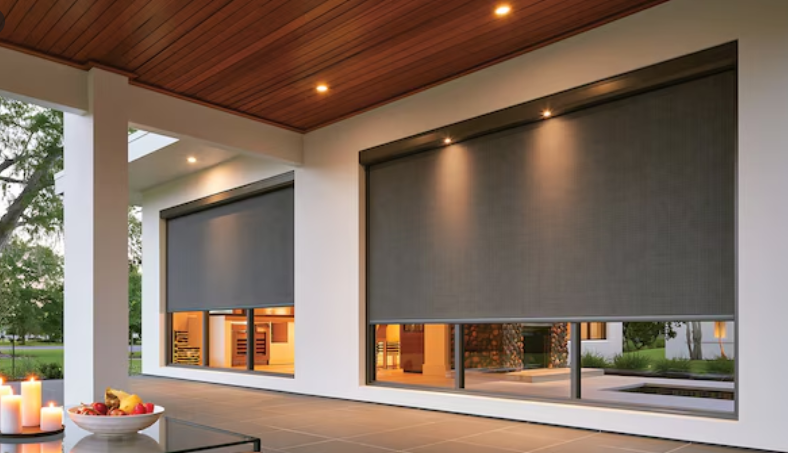
Exterior roller shades roll up into a box at the top of the window. They drop down when needed, like big indoor roller blinds. They are easy to use. They cost less than other options. There are lots of fabric choices to match homes.
The tradeoff is wind resistance. Without side tracks, a basic roller shade can flap in conditions. That makes it wear out faster. These shades work best on covered patios or sheltered windows where wind stays moderate.
Quick pros and cons:
- Pros: affordable, easy-to-operate fabric selection
- Cons: less wind resistance without added side tracks, best suited to sheltered areas
Solar Screen Outdoor Shades: Openness, View-Through, and UV Control
Solar screen outdoor shades use a woven mesh fabric instead of a solid panel. That changes how they work compared to blackout-style shades.
Openness factor. The percentage of holes in the weave. Decides how much light and view you can see through. A tighter weave, around 1 to 3 percent openness blocks heat and glare. It reduces visibility outside. A looser weave, to 5 to 10 percent openness, keeps more of the view while still cutting solar heat gain.
UV Protection for Windows Matters More Than People Expect
UV protection for windows isn’t about comfort. Over time direct sun fades furniture, flooring, and artwork. A good solar screen blocks a lot of that UV before it hits the glass. Combined with energy benefits, solar screens often pay for themselves over a few summers through lower cooling bills.
Louvered and Slatted Exterior Blinds: Privacy, Ventilation, and Security
Louvered exterior blinds have horizontal slats. That lets you control light and privacy without closing the window. Tilt the slats open and air still moves through even when the blind is down.
These work well for patio blinds for privacy. Neighbors or passersby find it harder to see inside. Airflow stays steady so the space doesn’t feel stuffy. Heavy-duty louvered systems, usually made of aluminum, add some security too.
Clear PVC and Zippered Systems for Weather Protection
Clear PVC panels act like temporary glass. They seal off a patio or porch from wind and rain. At the time they let light in. They’re a choice for extending outdoor living into cooler months.
Zipper track outdoor blinds take a route. They use a fabric edge that locks into side tracks. That design matters in wind. Tested zipper track systems have held up in winds over 80 km/h with installation. Manufacturer ratings for guide-wire and zip-track shades usually range from 35 to 65 mph depending on the system.
Choosing the Right Material and Fabric: Durability, Mildew Resistance and Wind Rating
Fabric choice affects how long an outdoor shade lasts.
Here are a few things to check before buying:
- Vinyl-coated polyester fabrics resist mildew and survive well in humid climates
- UV-stabilized coatings stop the fabric from becoming brittle after just a few seasons
- Wind ratings vary widely. Match the rating to your actual site exposure
- Darker fabrics block glare but get warmer to the touch. Lighter colors reflect heat
Measuring & Installation: Inside vs. Outside Mount, Guide-Wire vs. Zipper Track, and Tips for Accurate Sizing
Outdoor blinds installation and measuring mistakes are among the reasons a shade underperforms. Gaps around the edges let light and heat sneak in.
Outside Mount vs. Inside Mount
An outside mount covers the opening, including trim. This blocks the sunlight. An inside mount fits within the opening itself. It gives a look but covers a little less.
Guide Wire vs. Zipper Track
Guide-wire systems use steel cables to hold the fabric in place. This is lighter and cheaper. It’s good for wind exposure. Zipper track systems seal the fabric fully into channels. This offers better wind stability. They’re better for exposed openings.
Measuring Tips Worth Following
Measure width and height at three points. Middle and bottom. Older buildings often don’t have square openings. Add inches on each side for outside mount installations to avoid gaps.
Operation Options: Manual, Crank, and Motorized Controls
There are operation types, ranked by cost and convenience:
- Manual pull-cord: the cheapest option. Works fine for easy-to-reach shades
- Crank systems: more control. Reduces strain on the fabric compared to pull-cords
- Motorized: app-based control. Good for openings or hard-to-reach windows
Energy Savings & Sun Control: How Outdoor Shades Reduce Heat Gain and Glare
Blocking solar heat gain outside the glass works better than doing it indoors. That’s because the heat never touches the window at all. Exterior shades can reduce solar heat gain a lot more than nothing. They often beat blinds or curtains doing the same job from inside.
Rooms with shading tend to stay cooler throughout the day. They don’t get that sharp afternoon spike common near south and west-facing windows.
Maintenance and Cleaning: Routine Care, Seasonal Storage, and Common Repairs
Outdoor fabric collects dust, pollen and grime faster than window coverings. A simple hose-down or a gentle wash with soap and water every months keeps most fabrics looking good.
Some maintenance basics:
- Check tracks. Guide wires regularly for debris buildup
- Retract shades before major storms if the system isn’t rated for high wind
- Inspect for small tears early. Minor damage spreads quickly under tension
- Lubricate parts as the manufacturer suggests
Cost Considerations: Off-the-Shelf vs. Custom Typical Price Ranges and When to Hire a Pro
Off-the-shelf roller shades in standard sizes cost less. They rarely fit oversized or oddly shaped openings well. Custom sizing, motorization and reinforced hardware all increase the price.
DIY installation works for smaller standard roller shades. Larger zip-track systems, motorized setups or anything needing support usually needs professional help. That’s for warranty reasons. Because wrong tensioning ruins the wind rating.
Local Climate, Wind Loads and Building/Regulation Considerations
Homes need fabric and hardware rated for both wind and salt exposure. Standard hardware corrodes near the ocean. Areas with strong storms should pick zip-track or guide-wire systems over basic roller shades.
Some cities require permits for permanently mounted outdoor shade structures. This includes motorized systems connected to a home’s panel. Checking codes before installing saves time and money later.
A few things to check locally:
- Are permits required for outdoor structures?
- Do motorized systems need permits?
- What are regional wind load standards if the area sees storms?
Conclusion
Outdoor blinds and shades for windows solve a problem that indoor coverings cannot. Outdoor blinds and shades for windows cut heat and glare before the sunlight passes through the glass. Outdoor blinds and shades for windows bring energy savings, better privacy and real UV protection. The right outdoor blinds and shades for windows often pay for themselves after a seasons. Matching the fabric, mount type and wind rating to the conditions of a room is what makes a shade ten years instead of needing replacement after a bad storm.
FAQs
What’s the difference between blinds and outdoor shades?
Blinds usually mean slatted systems that let you control light and privacy. Shades usually mean roll-down fabric panels.. In everyday talk the two terms overlap a lot.
Are blinds weatherproof and suitable for coastal or windy areas?
Zip-track and guide-wire systems with grade or corrosion-resistant hardware work well in coastal and windy spots. Basic roller shades without side tracks don’t hold up well in high wind or salt exposure.
Do shades actually reduce cooling costs and block UV?
Yes. Exterior shading stops heat before it hits the glass cutting indoor heat gain significantly. Most solar screen fabrics block an amount of UV rays that would otherwise fade furniture and flooring.
How do I measure my windows and openings for roller shades?
Measure. Height at three spots. Top, middle and bottom. For mounts add a few extra inches, on each side to prevent light and heat gaps.
Can outdoor blinds be integrated with smart home controls?
Yes outdoor blinds can be. Integrated with smart home controls. Many manufacturers provide motorized versions that work with home platforms. This means you can set schedules or control the blinds remotely using an app. You don’t have to use cranks or pull-cord systems anymore.