📌 Key Takeaways
Exterior shades stop heat, UV rays, and curious eyes before they ever get to your windows. This guide looks at the types of different fabrics you can choose, how to mount them, and what the installation process really includes. It helps you find a setup that works well for your home.
A window can look fine from inside and still be letting in more heat than most people realize. The glass isn’t usually the problem. What happens outside that glass, before the sun ever reaches it, makes the bigger difference.
Exterior window blinds and shades work by stopping that heat before it gets to the window at all, instead of trying to block it once it’s already sitting in the room.
What Are Exterior Window Blinds and Shades?
Exterior window blinds and shades are coverings mounted on the outside of a window or patio door, not the inside. Interior blinds trap heat between the fabric and the glass. Exterior shades stop that heat before it ever reaches the glass in the first place.
Most fall into two camps. Fixed exterior blinds stay put in one position. Roll-up designs raise and lower like a garage door. Homeowners in hot climates tend to prefer the roll-up type, since it lets them open the shade on cloudy days and close it during peak sun without much thought.
Contractors sometimes refer to these products as roller shades or exterior solar screens depending on the brand. The terms “roller shades” and “exterior solar screens” overlap a fair amount, so do not get too hung up on the exact label in the store.
Top Benefits: Energy Savings, UV Protection, and Privacy
Heat control is the main reason people install these. Blocking solar heat gain outside a window works better than blocking it inside, since the heat never reaches the glass to begin with. A properly rated exterior shade can cut solar heat gain by 70 to 80 percent.
UV protection matters more than people expect going in. Furniture fades. Hardwood floors bleach out. Artwork loses its color after years of direct sun. A good exterior shade blocks a large share of that UV exposure before it ever touches anything inside the house.
Privacy is the benefit, and many people overlook privacy. A patio shade or an exterior solar screen lets you see out while keeping Privacy safe, from people outside. This is especially true when the screen uses a woven fabric. Sounds minor on paper. Then you live with it for a month, and it becomes one of those features you don’t want to give up.
The main advantages, boiled down:
- Lower cooling costs from blocking heat before it reaches the glass
- Less UV damage to furniture, flooring, and artwork
- More privacy without losing the view outside
- Reduced glare on TVs, monitors, and reading areas near windows
A Quick Word on Comfort
Rooms with exterior shading feel more even in temperature throughout the day. Less of that harsh afternoon spike near south and west-facing windows. That difference ends up mattering more in daily life than most people expect before actually trying it.
Types of Exterior Window Blinds and Shades
Not every home needs the same setup. Manufacturers build a handful of styles depending on the space involved.
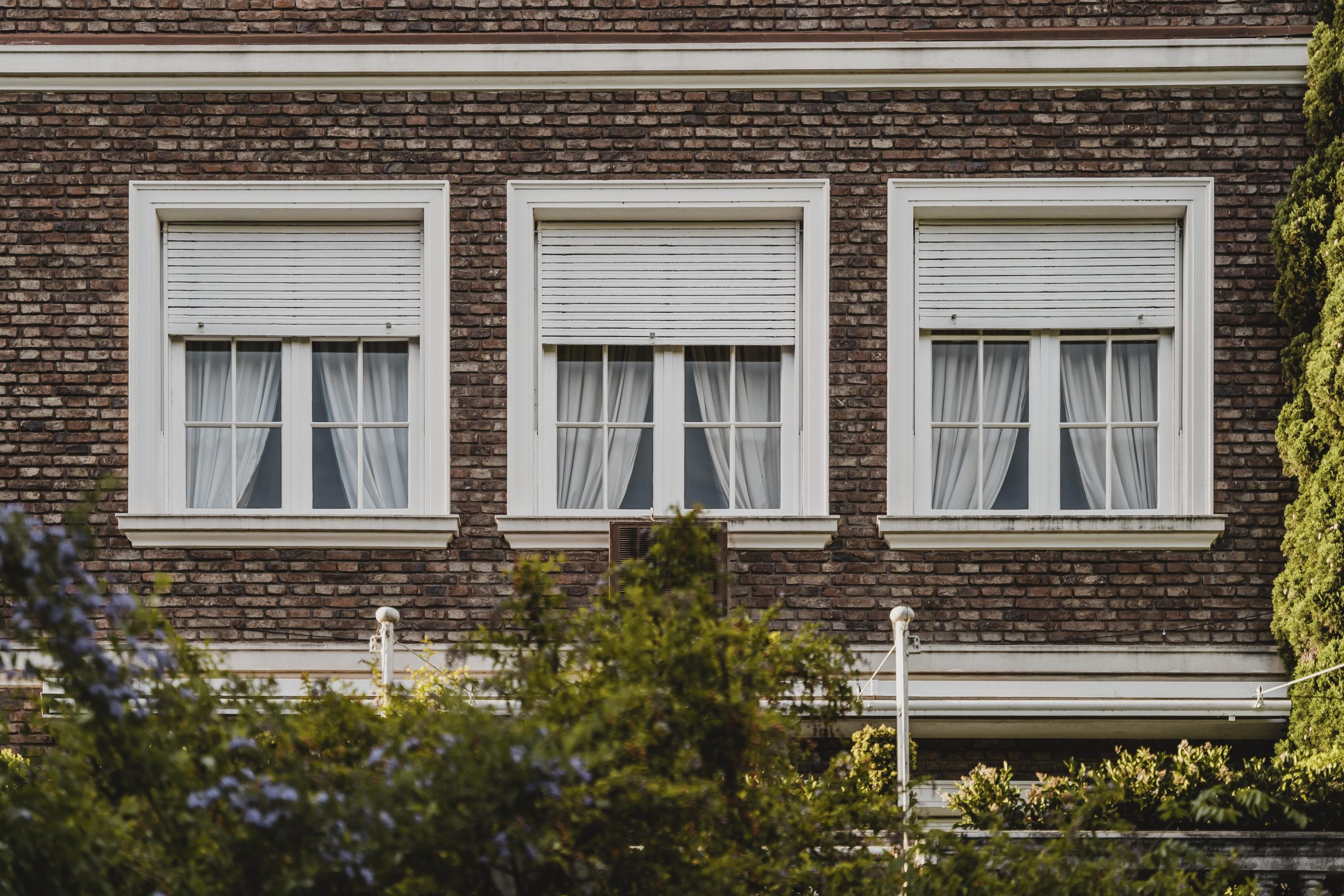
Roller shades are the most common pick for standard windows. They roll into a small housing at the top and unroll downward, sort of like a projector screen.
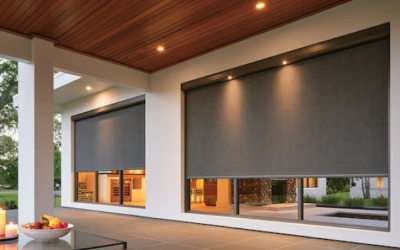
Patio blinds cover larger openings, sliding doors, covered porches, and pergolas. These usually need reinforced tracks to hold up against wind.
Fixed exterior awnings and screens stay in one position year-round. They suit windows that always take a beating from afternoon sun and rarely need adjusting anyway.
Motorized exterior shades raise and lower with a remote, a wall switch, or a smart home app. This category has taken off in recent years, and honestly, for good reason. Nobody’s excited to crank a shade by hand at a second-story window mid-storm.
Materials and Fabric Choices
The choice of fabric determines how durable the shade will be and how much light will pass through. Most exterior shades are made from woven vinyl-coated polyester. Some have fiberglass added for extra strength against wind.
Darker fabrics block glare but feel warmer when touched. Lighter fabrics reflect heat but allow a little more visible light to enter. Neither choice is really wrong here. It comes down to your climate and which way your windows face.
Weatherproof outdoor blinds need UV-stabilized coatings, full stop. Skip that coating, and the fabric breaks down and turns brittle within a couple of seasons. Cheaper fabrics fade and crack fast, especially somewhere like Arizona or South Texas where the sun doesn’t let up.
Worth checking before buying fabric:
- Whether the coating is UV-stabilized, not just UV-resistant
- Fiberglass reinforcement for wind-heavy areas
- Mold and mildew resistance for humid or coastal climates
- Warranty length, since it usually reflects how long the coating actually holds up
Understanding the Openness Factor, Light Control, and View-Through
The openness factor sounds technical. It’s not, really, once someone explains it. It’s just the percentage of tiny gaps woven into the fabric, and that controls how much light and air pass through.
A shade with a 1 to 3 percent openness factor blocks everything. This is a fit for bedrooms or media rooms where full privacy matters most. A shade, with a 5 to 10 percent openness factor, lets in daylight and airflow while still cutting glare and heat, which works well for kitchens, living rooms, or patios where you still want some view outside.
Go above 10 percent and you get more light and a clearer view, but less heat blocked. The right number really depends on how the room gets used, not just personal taste.
A rough guide by room:
- 1 to 3 percent: bedrooms, media rooms, anywhere-full privacy matters most
- 5 to 10 percent: kitchens, living rooms, patios that still want a view
- Above 10 percent: covered porches or spaces where light matters more than heat control
Mounting Options and Measuring
Getting the mounting right matters. A poorly measured shade leaves gaps, and gaps let heat and light straight through anyway.
Outside Mount
An outside mount sits above the window frame. Is a little wider than that frame. It covers the opening, even the trim. This outside mount is the choice, for exterior shades because it blocks the most sunlight and looks cleaner from the street.
Recessed Mount
A recessed mount fits inside the window opening, flush against the frame. Works well for covered patios or spaces where you want the shade tucked closer to the structure, though it usually blocks a bit less heat than an outside mount.
Mounting Hardware
Brackets, fascia covers, and side channels. All of it affects how tightly the shade seals against wind and gaps. Side channels cut down on rattling and gap-light compared to a basic bracket-only setup, especially on windy days.
Common hardware pieces include:
- Mounting brackets, which attach the headbox to the wall or frame
- A fascia cover, which hides the headbox for a cleaner look
- Side channels, which guide the fabric and reduce wind flutter
- A bottom bar, which adds weight and keeps the shade taut
Measuring for exterior shades usually means adding two to four inches on each side beyond the window frame for outside mount installs, though that varies by manufacturer. Measure at three points, top, middle, and bottom, since older homes rarely have perfectly square window openings.
Installation: DIY Tips, Common Pitfalls, and When to Hire a Pro
Smaller roller shades on ground-floor windows are usually a manageable weekend project. You’ll need a drill, a level, and some patience.
A common mistake is mounting brackets that aren’t level, which makes the shade roll unevenly as time goes on. Another frequent one is undersizing the shade, which leaves gaps on the sides that let heat and light through anyway, defeating the point of installing one in the first place.
Other pitfalls worth watching for:
- Skipping the manufacturer’s mounting template and eyeballing bracket spacing
- Using the wrong screws for stucco, brick, or vinyl siding
- Forgetting to check for level before final tightening
- Not accounting for trim depth when measuring for an outside mount
Larger patio blinds, second-story installs, anything motorized. These usually call for a professional. Motorized systems need wiring or a reliable battery setup, and getting that wrong is not worth risking on a two‑story ladder. A professional installer also knows wind load requirements, which matter a lot more in coastal or storm‑prone areas than most homeowners realize when they go in.
Conclusion
Exterior shades solve a problem that interior blinds simply cannot fix on their own: heat that has already entered through the glass. With shades, you gain energy savings, UV protection, and increased privacy, and the cost of exterior shades can often recover itself after only a few summers. Choosing the right type of exterior shades, fabric, and mounting option is what really separates exterior shades that truly work from those that merely look nice. Blue Chip offers a range of stylish and functional window treatment solutions designed to help homeowners achieve better comfort, privacy, and protection while enhancing the overall look of their space.
FAQs
Are exterior window shades more effective than interior shades at reducing heat?
Yes. Exterior shades block heat before it reaches the glass, while interior shades only trap heat that’s already inside the room. Exterior systems typically reduce solar heat gain much more effectively.
What openness factor should I choose for privacy and daylight?
A lower openness factor, around 1 to 3 percent, works best for privacy and heavy shade. A higher factor, around 5 to 10 percent, balances daylight and airflow with moderate heat control.
Can exterior roller shades be motorized and integrated with smart home systems?
Yes. Most manufacturers offer motorized exterior shades that connect to smart home apps, voice assistants, or remote controls. Many can also be scheduled to open or close automatically.
How do I measure for exterior shades to avoid gaps and ensure proper coverage?
Measure the window width and height at three points, top, middle, and bottom, and add a few extra inches on each side for outside mount installs to prevent light gaps.
What fabrics and materials hold up best in rainy or windy climates?
Vinyl-coated polyester with UV stabilizers and fiberglass reinforcement holds up well against wind, rain, and prolonged sun exposure without cracking or fading quickly.
Are exterior shades easy to remove for winter or storm season?
Most roller and patio shade systems are built to retract or detach easily, especially models with quick-release brackets made for storm season removal.