When you construct your home, you have a clear vision of what living inside it might look like. You make a shopping list of everything you envision in your living room. The soft grey 7 seater sofa with a 64-inch LED screen and real wood layered floorings will surely give your home a calming presence. However, the one thing that people tend to forget about is the light that enters through the window. Here, opting for the right types of blinds or shutters is necessary because this will ensure just enough light enters through your window, flaunting each and every color choice you made.
The window treatment industry is a growing sector with a global market for blinds estimated at $72.3 billion in 2025 and is set to reach $119.2 billion in 2034. Research indicated that blinds and shades dominate the window treatment category because of the advanced versatility in light control, privacy management, and energy efficiency.
The one absolute distinction you need to understand before knowing the multiple types of window blinds you can decorate your home with is the difference between blinds and shades. The core difference between the two window covers is as follows:
- Blinds use individual horizontal or vertical slats (louvers) that tilt for precise light manipulation. Moreover, it is a form of Hard window treatment made of materials like wood, faux wood, aluminum, etc.
- Shades, on the other hand, use a long fabric that consists of continuous fabric panels that roll or fold to control light. This is a soft window treatment that is best used for insulation with varying opacities and a softer aesthetic.
Read this guide till the end, as it is a diagnostic framework to cure every new homeowner’s choice paralysis before ordering custom window shades and blinds. Map the precise intersection of light control, privacy, and material engineering, and get the best type of blinds and shades for your home.
Different Types of Blinds for Windows
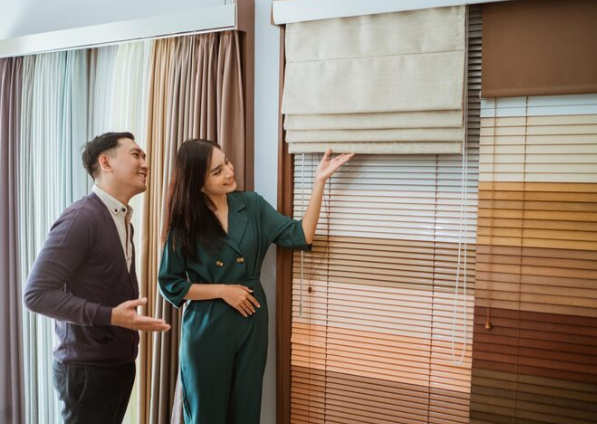
There are multiple types of window blinds that you can use in your room. However, before you choose one of the styles of window blinds, understand each of the types of window blinds.
- Vertical Window Blinds
- Cellular Window Blinds
- Roman Window Blinds
- Roller Window Blinds
- Venetian Window Blinds
- Pleated Window Blinds
- Zebra Blinds
- Panel Track
- Mini Blinds
Overview of Different Types of Window Blinds
Vertical Window Blinds
Grand Solution for Big Views
In this type of blinds for Windows, slats are hung vertically from a track, sliding side by side rather than the common upside-down. You must definitely use them for large window openings that involve large openings like sliding glass doors and floor-to-ceiling windows.
Pros: They are highly affordable and collect less dust than horizontal styles.
Cons: Cleaning them can be tedious, as each individual vane must be wiped separately, and the slats can be noisy if they sway in a breeze.
Cellular Window Blinds
The Energy Efficiency Wizard
Window blinds of this variety have diamond-shaped pockets, which is why they are referred to by their common name, honeycomb blinds. The pockets are able to hold air inside them in such a way that a barrier is created due to the six sides.
Pros: Exceptional insulation and reduced energy bills, apart from improving the acoustics of the room.
Cons: These blinds are more difficult to clean, and people have reported the pleated look to be much less modern for certain decors.
Roman Window Blinds
The Elegance of Soft Folds
Roman blinds are another type of blinds that are made up of soft material that folds beautifully in layers when lifted and lies down in a straight line when lowered. This gives them the elegance of custom-made drapery while being easy to use like a regular blind.
Pros: The soft, textured material adds an element of comfort to rooms and is great insulation because of the thicker material.
Cons: These blinds cost more money than regular blinds and cannot be used in moist areas such as bathrooms since they may grow fungus.
Roller Window Blinds
The Minimalist’s Modern Choice
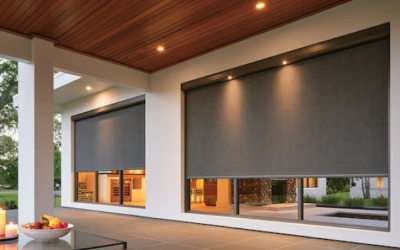
This is a sleek and simple approach, where the shade is made from a single piece of fabric that easily rolls up onto a tube.
Pros: These window shades are affordable, simple to work with, and come in PVC varieties that are water-resistant to suit kitchen environments
Cons: The lack of energy efficiency due to their thinness, and the possibility of warping or “smiling” over time.
Venetian Window Blinds
The Classic Light Maestro
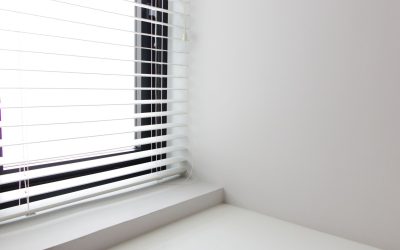
These are the timeless style of window blinds which feature horizontal slats. These blinds were traditionally made from wood, but modern styles also see aluminum and vinyl that can be tilted to precisely control light and privacy.
Pros: It has an unmatched versatility in light control and is highly durable, especially in metal or faux wood finishes.
Cons: This type of blind is known to not completely blackout, as light can still seep through the small gaps between slats.
Pleated Window Blinds
Sharp and Tailored Simplicity
Made from a single layer of woven fabric pressed into permanent horizontal “zig-zag” pleats, these blinds offer a crisp, finished look. They are called the perfect fit option as they attach directly to the window frames.
Pros: Among all the types of blinds, Pleated window blinds are amongst the lightest, compact, and ideal for smaller windows or conservatory doors where the space is limited.
Cons: Unlike cellular blinds, they lack insulating air pockets, meaning they provide minimal protection against heat or cold
Zebra Blinds
The Bold Statement Maker
Often referred to as Day and Night blinds, they have two fabric layers with stripes that alternate between sheer and opaque fabrics. The sheer and opaque stripes can be aligned to give privacy or overlapped for a full view.
Pros: They create an eye-catching, contemporary look and are the most adaptable when it comes to achieving varying levels of light filtration and privacy.
Cons: They do not give a total blackout effect, hence are not recommended for nurseries or bedroom areas.
Panel Track Blinds
The Modern Minimalist for Grand Openings
These are some of the best blinds for double windows, as they are composed of several large, flat vertical panels fixed at the top of a window. Each panel is attached to a carrier that slides smoothly along the track, allowing them to overlap when closed and stack neatly to the side to provide an unobstructed view when open.
Pros: This type of blinds fits perfectly with modern, classical, and industrial aesthetics. They are one of the best covering large expanses of glass and are very easy to operate and maintain.
Cons: These styles of window blinds do not tilt, hence adjusting the lights or privacy level is a hassle. Also, they require extra stacking space on the side when fully opened, due to their size and weight.
Mini Blinds
The Perfect Low-Profile Fit
Mini blinds function exactly like Venetian blinds but feature smaller slats, usually only 1-inch wide. This makes them the specialists for windows with shallow mounting depths.
Pros: Highly Cost-effective and the best choice for French doors or sidelight windows where standard blinds are too bulky.
Cons: This type of window blind is more functional than decorative. Therefore, they lack the luxury “furniture-feel” of larger-slat styles.
Benefits of Installing Window Blinds
The installation of window blinds serves several purposes other than decoration.
- Light Filtering Functionality: The primary advantage is that these blinds give the exact light filtering functionality where one can dim the lights but not fully block them from entering the room.
- Compact Nature: The compact nature of these blinds means they fit into spaces without taking up any additional space.
- Highly Efficient and Silent: Moreover, certain types such as the cellular blinds have been known to be highly efficient and quiet, reducing cooling bills by up to 40%.
- Moisture and Wear-Resistant: As compared to curtains, these blinds last longer because of their durability and moisture-resistance.
How to Choose the Right Types of Window Blinds
Choosing the right type of blinds or Shades is driven by four critical factors:
- How much humidity or moisture comes in through your windows?
- How much light do you need to enter through your window?
- What are your insulation requirements?
- How aesthetically aligned do you want your blinds to be?
- What is the shape of your windows?
- What will you use the room for?
- What kind of climate do you live in?
- Is insulation and energy efficiency a concern?
Keep answers to these questions ready because they will help you choose the right type of blinds for windows.
Common Mistakes to Avoid When Buying Blinds
Avoiding these mistakes can result in huge savings in both time and cost when shopping.
- Measuring Outside the Frame: One mistake often made is measuring outside the frame, instead of inside, when mounting an inside mount.
- Relying on Assumption: Also, homeowners must not assume that all windows are similar, because you have to individually measure each window without rounding any numbers.
- Overlooking Hardware Interference: It is important always to consider hardware obstacles that may hinder the operation of your blinds.
- Material Mistake: Lastly, do not use real wood in areas where humidity is high, such as the bathroom, because it may warp over time.
BlueChip’s Recommendation for the Right Kind of Window Blinds
There are 3 recommendations from Bluechip for selecting among the best window blind ideas. These three suggestions will provide you.
- Better Control
- Better Light
- Better Material
All these choices will allow you to get the best blind for your needs.
Select an Operating System
While most of the blinds will definitely come with an extended string attached, some of the blinds focus exclusively on specific systems that make their use a bit more unique and a bit more convenient. Here are 3 system blinds functions with;
Top Down / Bottom-Up:
Exclusive to Cellular/Honeycomb shades. Lowers from the top to maintain privacy at eye level while flooding the room with natural skylight.
Cordless:
Utilizes an internal tension device. Essential for homes with young children or pets. This system also minimizes the visual clutter, helping maintain cleaner windows.
Motorized:
Perfect for out-of-reach skylights, wide wall-to-wall installations, or automated wake/sleep scheduling.
The Light Filtration Spectrum
A blind use case in a home is to stop the light from entering through a window. Depending on the level of Light filtration, here is a classification you must know;
- Sheer/Transparent Blinds: Blinds with almost transparent material, like light colored fabric blind, only aid in softening the harsh glare of the sun, and provide protection against UV fading. However, at nighttime, it can rip your privacy apart as well.
- Light Filtering Blinds: Casts a warm, ambient glow. Silhouettes may be visible from the outside at night.
- Room Darkening Blinds: Blocks the majority of light, but some light bleed may occur at the edges of the frames.
- 100% Blackout Blinds: Blocks all lights via opaque linings or foil-lined cellular pockets. Essential for bedrooms, nurseries, and media rooms.
The Room-by-Room Blueprint
The perfect window treatment is always an intersection of Architecture (Mount/Size) + Environment (Humidity/Sun) + Function (Opacity/Control).
| Bedroom | Need: Blackout & Insulation | Top Pick: Blackout Cellular Shade traps cold air and blocks 100% light. OR
Roman Shade with blackout lining |
| Bathroom | Need: Total Privacy and Moisture Resistance | Top Pick: Faux Wood Blinds or Top-Down/Bottom-Up Cellular. |
| Living Room | Need: Glare Reduction & Aesthetics | Top Pick: Zebra Shades offering dynamic Light Shifting or Real Wood Blinds |
| Kitchen | Need: Easy to Clean and Splash Resistant | Top Pick: Aluminum Mini Blinds or PVC Roller Shades that are wipeable, and doesn’t trap odors. |
Now, whether you need a blind that turns your day into a night or you need a blind that lets the sun shine inside your home. Understand what your specific requirements are and which types of blinds fit into those requirements to order the best-fitting and most fulfilling custom window shades and blinds all around the U.S. market.
FAQs
- What are the most popular types of blinds for windows?
Some of the most popular types of blinds include roller blinds, roman blinds, vertical blinds, and wooden blinds. These styles of window blinds are suitable for most environments across the globe.
- Which different styles of window blinds are best for modern homes, according to BlueChip?
According to Bluechip, Roller Blinds, Zebra Blinds, and Panel Track Blinds can provide a modern look for any home because of their simple designs.
- Which types of window blinds are easiest to maintain?
When it comes to maintenance, Vertical blinds made of Aluminum, PVC, and Vinyl are the recommended types, as they are water-resistant and easy to clean.
- What are the different kinds of window blinds available for privacy?
For those who want complete privacy without blocking any light, the Venetian, Zebra, and Top Down/Bottom Up blinds could be a good choice.
- How do I choose the right styles of window blinds for my home?
It would help if you chose the correct type of blind based on the particular requirements of the room, such as resistance to moisture in bathrooms or blackout fabrics in bedrooms.
- Why should I choose Blue Chip for window blinds?
Having been in business for more than 25 years in designing, installation and service of window treatments, Blue Chip can provide you with factory direct window blinds and shutters, with no-installation charges and additional durability.