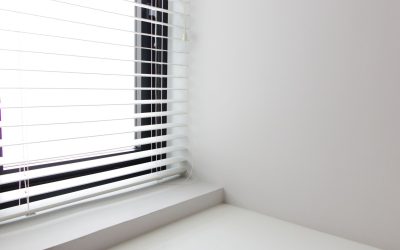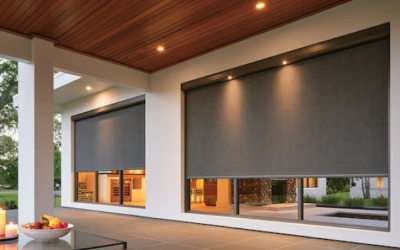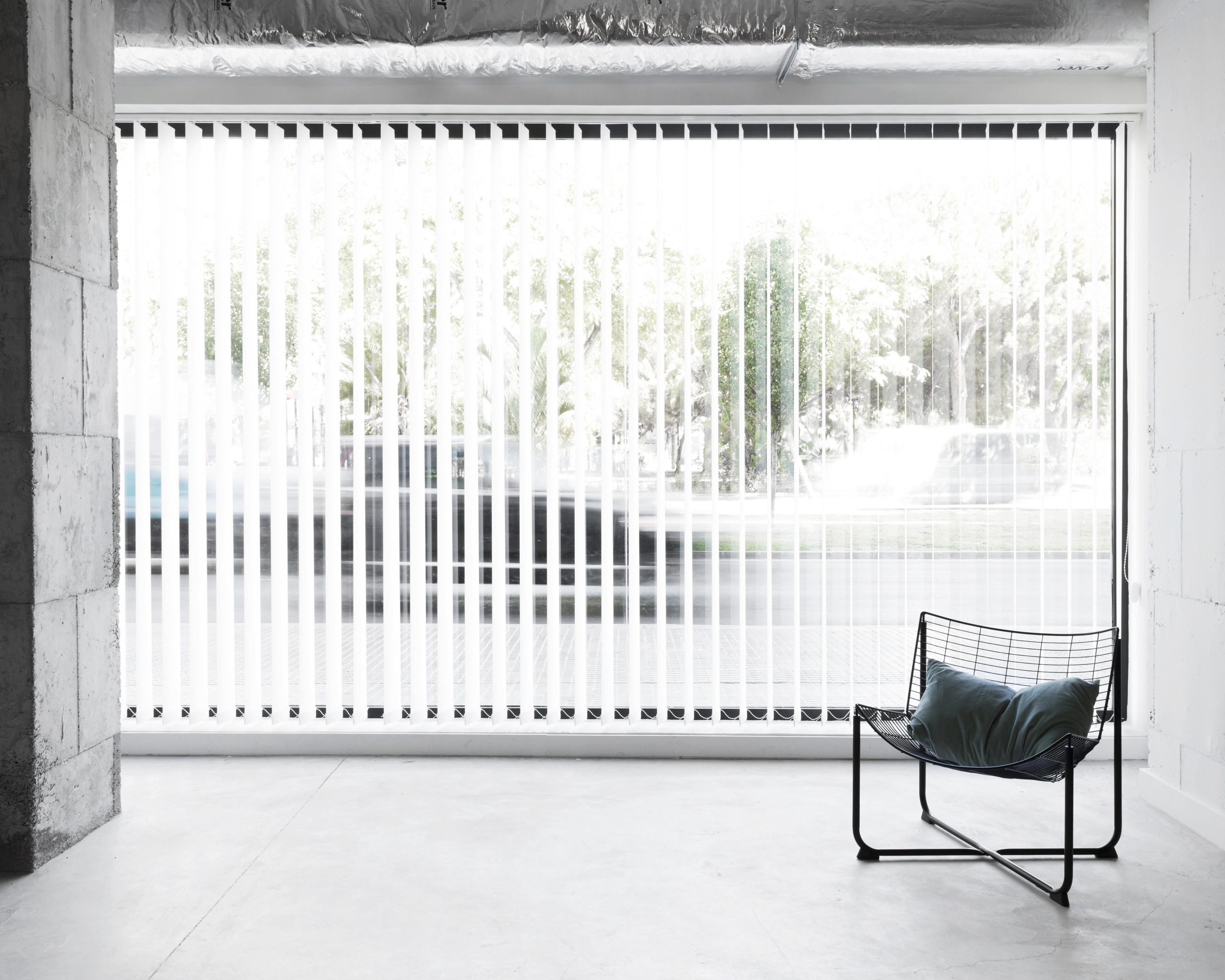
The terminology quickly becomes hazy when you are staring at an empty window frame.
The terms are often used synonymously, but when it comes to window treatments, the distinction is important for both your privacy and your pocketbook. It may seem like semantics.
It isn’t. Choosing between roller blinds vs roller shades actually dictates whether you’re dealing with hard slats or a continuous roll of fabric.
In contrast to simply wiping down a sleek shade, I once witnessed a client attempt to remove a wine stain from a vinyl blind; it was a complete failure.
While blinds provide you with fine-grained control over every bit of sunlight, shades provide that sleek, minimalist look.
It’s a traditional trade-off between function and texture. We’re dissecting the workings, expenses, and peculiarities of both.
This raises the crucial question of which one best suits your way of life.
What Are Roller Shades?
Ever asked yourself, “What are roller shades?” Essentially, they’re a single piece of fabric that wraps around a casing at the top of your window. Simple. Sleek.
They don’t have slats like horizontal blinds. Instead, you just pull them down.
The distinction between roller blinds and roller shades is a common source of confusion. Although “shades” typically denotes a softer, textile feel, the terms are interchangeable in most contexts.
I once saw a DIY version made from an old linen map; it looked incredible, but rattled like a skeleton in a dryer whenever the wind blew.
Don’t do that.
But here’s the thing: they disappear when open. You get a totally unobstructed view.
It’s a minimalist’s dream that keeps your rooms looking crisp.
What Are Roller Blinds?
Now that you know about roller shades, you may have a question: What are roller blinds?
They’re basically the minimalist’s dream for window coverings.
You have a solid piece of fabric that wraps around a casing at the top. Simple. When you pull the cord, or tap a button if you’re fancy, the material unfurls to cover the glass.
I once saw a set made of stiffened burlap in a tiny attic apartment; it looked surprisingly rugged and cool. But here’s the thing: people often get hung up on roller blinds vs roller shades.
While the names swap around in casual chat, “blinds” usually implies a sturdier, functional vibe, whereas “shades” can feel a bit softer. They’re sleek.
They don’t gather dust like those annoying horizontal slats. It’s just clean, functional geometry for your walls.
Roller Shades vs Roller Blinds: Key Differences
Choosing between roller blinds vs roller shades often feels like splitting hairs until you actually touch the fabric.
Design and Structure
Think of shades as a single, smooth sheet of material. They roll up neatly around a dowel. It’s a minimalist’s dream. Blinds are different.
When people ask what roller blinds are, they usually mean the classic slatted style, but in modern terms, the names overlap.
Traditional blinds have slats or vanes that tilt. Shades don’t. I once saw a DIY attempt where someone tried to “tilt” a solid shade; it just crumpled.
It wasn’t pretty. Shades offer a soft, fabric-heavy aesthetic that hugs the window frame. Blinds feel more structural and rigid.
They’re functional. Simple. No fuss.
Light Control Capability
The blind vs shade debate gets heated when the sun hits.
Shades are all-or-nothing. You pull them down to block the glare or up to see the world. If you want a “glow,” you pick a sheer fabric.
Blinds give you nuance. You can angle those slats to bounce light off the ceiling while keeping the floor dark. It’s precise.
But here’s the thing: shades with “blackout” liners are unbeatable for Sunday morning sleep-ins.
Privacy Levels
Privacy is where things get tricky. A solid shade is like a wall.
Nobody is peeing through that fabric. But if it’s open even a crack, the neighbors see everything. Blinds offer a middle ground.
You can tilt them so you see out, but passersby only see a blur of plastic or wood. It’s a tactical advantage for street-level windows.
If you’re wondering where to buy roller blinds for a bathroom, look for moisture-resistant PVC options.
Durability and Maintenance
Shades are magnets for pet hair. My cat treats a low-hanging shade like a personal scratching post, which is a disaster for delicate weaves.
Blinds are tougher. You can wipe a damp cloth across the slats and call it a day. They handle humidity better, too.
Shades can fray at the edges over time if the tension is off. But honestly, a high-quality shade lasts years if you don’t yank it like a lawnmower cord.
It’s about how you treat them.
Blinds vs Shades Pros and Cons
Pros of Roller Shades
Choosing commercial window treatments is usually a headache. But honestly, it shouldn’t be. Roller shades are the quiet overachievers of the design world.
They don’t demand attention, yet they change the entire vibe of a room the moment they’re installed. People often get hung up on blind vs shade terminology, wondering if there’s a massive technical gap.
There isn’t. It’s mostly about how they look and function. If you’re searching for what roller blinds are, think of a single piece of fabric that rolls up around a casing.
It’s simple. It works. Whether you’re hunting for where to buy roller blinds or just browsing, these perks make them a top-tier choice.
Sleek and modern appearance
They disappear. That’s the magic. Unlike chunky wooden slats that collect dust, these sit flush against the glass. It’s a clean look.
My sister installed these in her tiny studio, and it made the windows look twice as large.
When you compare roller blinds vs roller shades, you’ll notice the aesthetic is virtually identical: polished and tight.
They don’t flop around. They just look expensive without trying too hard.
Easy operation
No one likes wrestling with tangled cords. Most modern versions use a smooth side chain or, better yet, a motorized lift.
You press a button; the room darkens. It’s satisfying. This simplicity is a major factor when debating blind vs shade options for high-traffic areas.
They don’t jam easily. You won’t find yourself cursing at a lopsided hemline at 7:00 AM. It’s a seamless, “set it and forget it” kind of luxury.
Cons Of Roller Shades
While they look sleek, roller shades aren’t perfect for every window. You’ll run into a few snags if you’re picky about lighting or longevity.
It’s not just about aesthetics; practical daily use reveals where they stumble.
People often get stuck on the blind vs shade debate without realizing shades lack those adjustable slats we take for granted.
If you want that perfect mid-day glow without the glare, these might frustrate you. They’re simple, sure, but that simplicity comes with trade-offs you’ll notice after a few months.
Limited light control compared to blinds
Roller shades are essentially “all or nothing” deals.
You either have the view, or you don’t. Unlike wood slats, you can’t tilt them to redirect sunbeams away from your TV while keeping the room bright.
It’s a common frustration in the roller blinds vs roller shades argument. If the sun hits at a weird angle, you’re stuck in the dark just to stop the squinting.
I once stayed at a place where I had to choose between a gorgeous sunrise and actually seeing my laptop screen. It’s a binary life.
Fabric may wear over time
The constant tugging and rolling eventually takes a toll on the material. You might see the edges start to fray, a process called “cupping,” where the fabric curls inward like a dried leaf.
It’s annoying. Since most are made of textiles or vinyl, they’re prone to staining or fading from intense UV exposure.
A sturdy metal blind handles heat better.
If you have cats, watch out; one good climb can leave permanent pinholes or snags that you’ll see every single time the sun shines through the window.
Pros Of Roller Blinds
Choosing the right window treatment feels like a chore until you see how roller blinds transform a room. They’re sleek.
They don’t hog space. Most people get caught up in the roller blinds vs roller shades debate, but it’s really about that crisp, minimalist profile.
You get a clean look that fits tight against the glass. I once saw a DIY install go sideways because the bracket was off by a hair; it’s a precision game.
These things just work without the visual clutter of heavy drapes.
Light Control
You might hear people swap terms like blind vs shade, but roller options offer a unique, solid fabric barrier.
They don’t have slats like Venetians. Instead, you get a total blackout or a soft glow, depending on your textile choice. It’s binary. It’s effective.
No annoying light streaks at 6 AM.
Durability
These things are built to take a beating from the sun. The hardware is simple; usually just a sturdy tube and a spring or chain.
Since there are fewer moving parts to snap or tangle, they last for ages.
I’ve noticed the heavy-duty polyester blends survive sticky toddler fingers remarkably well.
Cons Of Roller Blinds
Choosing the right window treatment isn’t always a breeze.
While many people love the sleek look, you have to weigh the drawbacks before committing. It’s a classic debate of blind vs shade functionality. Some fabrics trap dust like a magnet.
Others just don’t fit the vibe of a tiny apartment. You might find that the mechanical bits get finicky over time, too.
Honestly, I once saw a gorgeous linen version ruined by a single coffee splash that just wouldn’t lift.
It’s all about the trade-offs when comparing roller blinds vs roller shades.
Can be harder to clean
Maintenance is a sneaky hurdle. Unlike slats you can quickly wipe, these large fabric spans often require a vacuum attachment or professional steaming.
If you get a greasy fingerprint on a blackout material, it’s a nightmare. Spot cleaning often leaves faint rings that haunt you whenever the sun hits.
May look bulky in smaller spaces
That top casing can be surprisingly chunky. In a cramped breakfast nook, the roll might protrude further than you’d expect, eating into your precious headspace.
It creates a heavy visual weight. Sometimes a simple, recessed blind vs shade alternative feels much airier than a massive, rolled-up fabric cylinder.
Final Thought
Picking the right window treatment shouldn’t be a headache.
Whether you land on the sleekness of a solid roll or the structural control of slats, it’s all about your room’s specific light and rhythm. Don’t let the blind vs shade terminology trip you up; focus on the fabric and the function.
For those ready to upgrade, Blue Chip Shutters & Blinds provides high-quality installations tailored to your home.
Ultimately, the roller blinds vs roller shades choice comes down to your lifestyle. Do you want total blackout or a gentle glow?
Consider your pets, your cleaning habits, and that morning glare. Once you find that balance, your windows won’t just be covered; they’ll be finished.
Trust your gut and pick the style that makes your space feel right.
Frequently Asked Questions
What is the difference between Roller blind vs Roller shade?
Although they are frequently used interchangeably, “shades” refers to a single, continuous piece of soft fabric, while “blinds” usually implies a harder, functional structure. They both roll up, but they have different textile textures.
Blinds vs shades pros and cons – which is better?
Shades offer a simpler, more minimalistic look, but blinds offer better light tilting. Whether you value a smooth, “hidden” appearance when the window is open or fine light control will determine your decision.
Are roller shades cheaper than blinds?
Yes, generally speaking. Basic roller blinds are sometimes less expensive due to their simpler structure. However, motorized variants or pricey designer fabrics may soon make the cost of roller blinds and roller shades equivalent.
Which is better for privacy: blinds or shades?
For bedrooms, shades offer a strong, gap-free barrier. For street-level windows, blinds provide a tactical advantage by allowing you to tilt slats to see out while blocking the view in.
Are roller shades easier to clean than blinds?
Not always. Blind slats can be swiftly cleaned, but shades are big sheets of fabric that collect dust. Smudges on vinyl are much easier to remove than stains on fabric shades.
Do blinds last longer than roller shades?
Fabrics typically don’t last as long as harder materials like wood or metal blinds. Over time, shades may “cup” or fray at the edges. In terms of long-term durability, it’s a classic blind vs. shade trade-off.
Where to buy roller blinds?
You can find quality options at specialty window retailers or big-box stores. For professional installation and a premium selection, Blue Chip Shutters & Blinds offers expert service to fit your space.