How to install a retractable awning is an important question for homeowners looking to create a more comfortable and functional outdoor space. Retractable awnings offer a clever, practical way to enhance your outdoor area. They provide adjustable shade, which cuts down on indoor heat, shields furniture, and lets you use your patio or deck all year. This guide covers everything you should know about installing retractable awnings in 2026, from planning to mounting to maintenance, so you can get the most out of your investment.
📌 Key Takeaways
How to install a retractable awning involves choosing a strong mounting surface, taking accurate measurements, securing the brackets, and carefully attaching the awning.
Retractable awnings are available in manual, motorized, smart, and freestanding designs.
Always use manufacturer-recommended hardware suitable for the mounting surface.
Large or heavy awnings may require assistance during installation.
Motorized systems may require professional electrical work.
Regular cleaning and inspections can help maintain the awning’s performance.
What is a Retractable Awning?
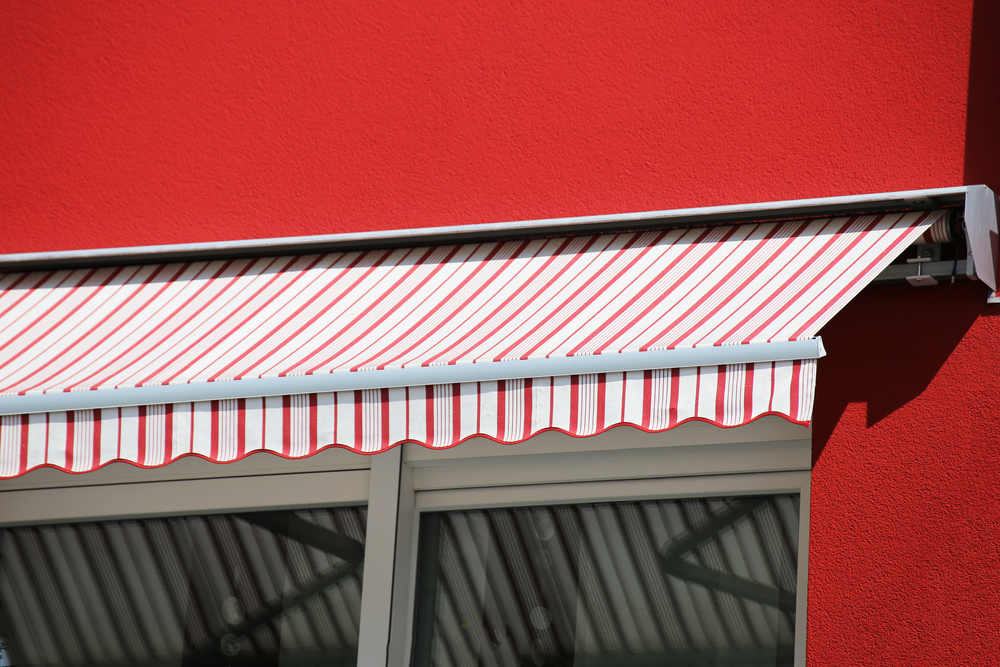
A retractable awning folds up and stretches out from a wall or roof to block the sun. You can pull it back when you don’t need it, unlike fixed awnings. People put these awnings above doors, windows, or patios. You can choose between manual and motorized options. Understanding how to install a retractable awning properly starts with selecting the right size, mounting location, and awning type for your space.
Because they can be retracted when necessary, these awnings can offer greater flexibility and help protect the fabric and moving components when not in use.
Why It Makes Sense to Install a Retractable Awning
- Sun Protection: Stops harmful UV rays, helping to cool patios and indoor spaces.
- Energy Savings: Cuts your need for air conditioning by making indoor areas cooler.
- Flexible Use: You can pull it out to shade or roll it up to let more light in.
- Furniture Protection: Helps stop indoor and outdoor furniture from fading and getting damaged.
- Enhanced Style: Offers various colors and designs to match your home’s appearance.
Types of Retractable Awnings
Before learning how to install a retractable awning, it helps to understand the main options available:
- Manual Awnings: You operate these with a hand crank. They work well for smaller setups.
- Motorized Awnings: You can extend or pull back these awnings using a remote control or wall switch.
- Smart Awnings: These connect to Wi-Fi or smart home systems; some have weather sensors built in.
- Freestanding Awnings: You install these on their own frame, making them great for separate patios or gardens.
Getting Ready to Install
Measure Your Area: Know how wide and how far out you need it. This helps you cover everything and get a good fit.
Choose a Strong Mounting Spot: Pick a south- or west-facing wall with enough space and a sturdy backing.
Check Local Rules: Some HOAs or cities have rules about adding things to your house’s exterior. Make sure to look into this first.
What You’ll Need
- Drill with the right bits
- Tool to find wall studs
- Measuring tape and level
- Bolts for lag and wall plugs
- Stepladder
- Safety gear (eye protection, hand covers)
Steps to Put Up a Pull-Out Awning
Step 1: Look Over All Parts. Unpack everything and make sure you have all the hardware, brackets, and instructions. Check that nothing’s broken.
Step 2: Show Where Brackets Go. Get your level out to mark where each bracket should sit. Check your measurements twice to make sure they’re even on both sides.
Step 3: Make a Pilot Hole. Find studs behind siding with a stud finder. Use wall anchors for masonry walls.
Step 4: Set Up the Brackets. Put the brackets in place with lag bolts. Check that they’re stable and even.
Step 5: Put the Awning Frame in Place. Raise and fix the awning to the set-up brackets. You might need someone to help you.
Step 6: Check How It Works. Open and close the awning. Adjust the slope if needed to let water run off.
Things to Think About for Motorized Awnings
If you plan to install a motorized or smart awning that pulls back:
- Make sure a weatherproof power source is close by.
- Put it in place and check the remote or app controls.
- Double-check that cables are well-fastened and shielded.
It’s a good idea to hire an electrician if you need new wiring.
How to Install Based on Surface Type
- Brick or Concrete Walls: Use masonry anchors. Drill into solid brick, not the mortar.
- Wood Siding: Attach brackets to wall studs for strong support.
- Vinyl Siding: Take off or space around vinyl to get to the wood underneath.
- Roof Mount: Use brackets made for roofing, and seal all holes to stop leaks.
Stay Away From These Common Errors
- Skipping Studs or Anchors: Causes weak setups and potential harm.
- Wrong Slope: A flat surface might let water collect on the fabric.
- Improper Hardware: Using the wrong screws can make things loose or break.
- Not Reading Instructions: Each awning type is unique. Stick to your manual.
Upkeep and Care
- Washing: Clean the fabric with gentle soap every couple of months.
- Checkups: Look for loose screws or worn-out connections.
- Pull Back in Rough Weather: Awnings don’t handle heavy rain or wind well.
- Oil Moving Bits: Apply silicone spray once or twice yearly.
When to Call an Expert
While many homeowners can put up a pull-back awning, some cases need expert help:
- The awning is big or has a motor
- The wall is fragile or not flat
- Wiring needs to be done
- You want to keep the warranty valid
Conclusion
Retractable awning installation is a practical way to enhance your outdoor comfort, lower energy costs, and protect your home. With the right tools, a solid plan, and attention to detail, you can confidently take on the task yourself or work with a trusted professional. In 2026, smarter features and improved materials will make these installations more accessible than ever.
If you’re looking for the best retractable awning company, make sure to choose one with experience, attention to detail, and excellent customer service.
For homeowners seeking dependable retractable awning installation in 2026, we are your trusted local expert. Reach out today to Blue Chip Shutters and Blinds to schedule your consultation and transform your outdoor space with expert guidance from the team that knows awnings best.
FAQs
1. How to install a retractable awning on a brick wall?
How to install a retractable awning on a brick wall involves using appropriate masonry-rated hardware and mounting the brackets according to the manufacturer’s instructions. Make sure the mounting surface can support the required load.
2. How to install a retractable awning by yourself?
How to install a retractable awning by yourself depends on the size and weight of the unit. Smaller models may be manageable with the right tools, but larger awnings usually require one or more helpers to lift and secure them safely.
3. Can I install a retractable awning on vinyl siding?
Vinyl siding alone is generally not strong enough to support an awning. The mounting system should connect to suitable structural support behind the siding.
4. Do motorized retractable awnings need an electrician?
An electrician may be needed if the installation requires new hardwired electrical connections. Plug-in systems may have simpler electrical requirements, depending on the product.
5. What is the best height for installing a retractable awning?
The appropriate mounting height depends on the awning’s size, projection, pitch, and manufacturer requirements. Always follow the recommended installation specifications for your specific model.
6. Should I retract my awning during strong winds?
Yes. Retracting the awning during strong winds or severe weather can help reduce the risk of damage. Always follow the wind and weather guidance provided by the manufacturer.