Why Installing Blinds is Key
Blinds aren’t just for blocking out sunlight. They set the vibe of a space, provide privacy, and can even lower energy costs. But here’s the problem: no matter how stylish they are, blinds won’t work well if they’re installed wrong.
📌 Key Takeaways
How To fit Window Blinds starts with identifying your window type, choosing the right mounting style, and taking accurate measurements.
Inside-mount and outside-mount blinds require different measurements and mounting positions.
Use a steel tape measure and check your width and height measurements more than once.
Keep brackets level and use fixings suitable for the mounting surface.
Take extra care when installing external blinds on windows that already contain built-in blinds.
Test the blinds fully after installation to make sure they open, close, and adjust smoothly.
It’s kind of like hanging a picture. If it’s off-center or crooked, it becomes distracting. The same goes for blinds. Blinds that are installed might let too much light sneak in, look lopsided, or even jam and stop moving.
While installing regular blinds is simple, designs like windows with blinds inside (blinds placed between glass layers) need more careful planning. This guide explains how to pick, measure, and install blinds. It includes advice on handling normal windows and those with built-in blinds.
By the end, you’ll understand the tools you’ll need, how to measure, and install window blinds in a way that feels professional.
Recognizing Your Window Type
You should figure out your window type before considering different blind options.
- Standard framed windows – These are the most common and work with just about any blind style.
- Bay and bow windows – These look elegant but can be harder to measure due to their curves and angles.
- Skylights and angled windows – Most of these need custom-made or specialized blinds.
- Windows with built-in blinds – These come with blinds sealed between the glass panes. They are modern, easy to maintain, and stay dust-free. If you’re adding extra blinds, make sure the new ones will not interfere with the built-in ones.
Identifying your window type helps ensure the blinds you get will fit well and work as they should.
How to Pick the Right Blinds for Your Room
Blinds don’t work as a one-size-fits-all choice. You need to choose ones that suit both the purpose and style of your room.
Common Types of Blinds:
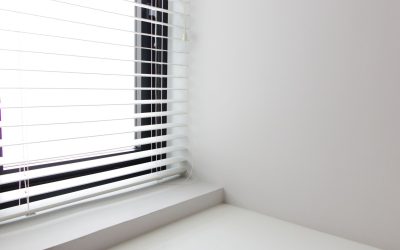
- Venetian blinds – They have slats you can adjust to control light easily.
- Roller blinds – These are simple, neat, and don’t take up much space.
- Roman blinds – These feature soft fabric folds that add a decorative style.
- Cellular blinds – These help keep rooms insulated and save energy.
- Vertical blinds – Best for wide windows or sliding patio doors.
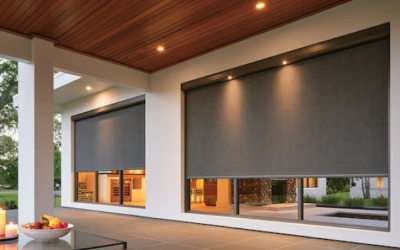
If you have windows with built-in blinds, you already manage light levels well, but adding external blinds can boost style or provide extra features like blackout coverage or better insulation. Be sure to pick a type that won’t interfere with or harm the built-in controls.
Mastering Measurements
When it comes to installing blinds, getting the measurements right matters. Even a tiny mistake can lead to blinds that don’t fit, wasting both your time and money.
Two key ways to fit blinds:
- Recess fit (inside mount): The blind fits within the window frame.
- Face fit (outside mount): The blind goes over the outside of the frame.
Steps to measure to fit a recess mount:
- Check the width at the top, middle, and bottom of the recess. Pick the smallest measurement.
- Measure how tall it is on the left, middle, and right sides. Choose the largest measurement.
Steps to Measure To Fit on the Frame’s Face:
- Take the actual width of the frame and include a bit more for overlap.
- Measure from the top of the frame down to where you want the blinds to end.
For windows that have blinds inside:
Measure from the outside of the frame. Make sure to leave space so the outer blinds don’t hit the glass or the controls for internal blinds.
Hint: Double-check measurements to avoid problems later. Doing this twice makes everything easier.
Tools and Materials to Gather
You don’t need fancy equipment. Just stick to the essentials:
- Tape measure
- Pencil
- Drill with bits
- Screws and wall plugs
- Brackets (included)
- Leveling tool
- Safety gloves and goggles
Extras for windows with built-in blinds:
Use a soft cloth to shield the glass and frame while setting things up.
Installation Steps Explained
Step 1: Get Your Area Ready
Push furniture away from the window. Take down the old blinds if there are any and wipe down the area. Starting clean will make the whole process smoother.
Step 2: Mark Where the Brackets Go
Hold the bracket where it goes and use a pencil to mark the spots for the screws. Keep everything level by using a spirit level. If the brackets are off, the blinds will be uneven.
Step 3: Drill the Pilot Holes
Drill small starter holes. This makes it easier to screw things in and avoids cracking the wood or messing up the wall.
Step 4: Attach the Brackets
Fasten the brackets, but don’t go too tight. When you put blinds inside the window frame, be careful not to drill into the glass or seal.
Step 5: Put the Blinds in Place
Follow the instructions to either clip or slide the blinds into the brackets.
Step 6: Try Them Out
Test the blinds by opening, closing, and adjusting them to check if they work without any issues before putting your tools away.
Tips to Install Blinds on Windows Containing Built-In Blinds
This style is catching on, but it has its challenges. Here’s what you should know:
- Choose face-fit mounting to prevent disturbing the built-in blinds.
- Leave a small space between the outer blinds and the glass.
- If you’re unsure about anything, reach out to a pro, as fixing built-in blinds can be expensive.
Tricks to Achieve a Professional Look
- Always make sure everything lines up before you tighten the screws.
- Use caps or covers to hide screw heads. It makes everything look tidier.
- Keep cords safe by securing them with safety cleats. This helps protect kids and pets.
- Try to match your hardware to the window frame to keep things looking uniform.
Watch Out for These Mistakes
Even people experienced in DIY mess up sometimes. Be careful to avoid these:
- measuring once and skipping a second check.
- Not noticing window handles or locks that could get in the way of blinds.
- Choosing screws that don’t fit your wall or frame type.
- drilling in the wrong spot and damaging windows with built-in blinds.
Taking Care of Your Blinds
After setting up your blinds, simple upkeep helps them stay neat and work well:
- Use a soft cloth or duster to clean them often.
- Deep clean based on whether they are fabric, wood, or aluminum.
- Check and tighten loose screws when needed.
- Clean glass on windows with built-in blinds using a gentle cleaner, and handle the blinds to help them last longer.
Conclusion
Getting blinds to fit isn’t just about sticking to the instructions. It takes careful measuring, the right tools, and patience to make them look like a pro installed them without needing outside help.
If your windows have built-in blinds, it is important to enhance their design instead of clashing with it. This lets you keep the modern appeal of the integrated blinds while still adding some personal flair or practicality with your new choice.
When you want added privacy, improved light control, or a new look to refresh your windows, the right blinds can change your room. Measure with care, don’t rush the process, and you’ll appreciate your blinds for a long time.
Need expert help or high-quality blinds that fit perfectly? Contact Bluechip Shutters & Blinds today and let us help you find the ideal style and fit for your windows.
FAQs
1. How To fit Window Blinds inside a window recess?
How To fit Window Blinds inside a recess generally involves measuring the opening at several points, marking level bracket positions, securing the brackets with suitable fixings, and attaching the blind according to the manufacturer’s instructions. Always check whether the manufacturer makes its own production deductions.
2. How To fit Window Blinds outside the window frame?
How To fit Window Blinds outside the frame involves measuring the complete area you want the blind to cover, allowing suitable overlap, mounting the brackets above or around the frame, and making sure the blind remains level and clear of obstructions.
3. Can I install blinds myself?
Yes, many standard blinds can be installed as a DIY project if you have suitable tools and follow the manufacturer’s instructions. More complex windows or large blinds may benefit from professional installation.
4. Should blinds be fitted inside or outside the recess?
It depends on the window design and your preferences. Inside mounts offer a more integrated appearance, while outside mounts can provide additional coverage and may suit shallow or uneven recesses.
5. What should I do if my window already has built-in blinds?
Make sure any external blind does not interfere with the integrated controls, handles, seals, or glass. An outside mount may be more suitable in many situations.
6. Why do my blinds look uneven after installation?
Uneven blinds can result from incorrectly positioned brackets, an uneven window frame, or inaccurate measurements. Check the brackets with a spirit level and confirm that the headrail is properly secured.