When it comes to elevating the ambiance and functionality of your living or working space, the choice between blinds vs shutters can be pivotal. Blinds offer a versatile solution with customizable features, allowing you to effortlessly adjust lighting and privacy levels. On the other hand, shutters exude timeless sophistication and provide robust control over natural light infiltration. Exploring the contrasting attributes of blinds vs shutters, as well as the synergies between the two, is essential in making an informed decision that not only meets your immediate needs but also withstands the test of time. Whether your priority is durability, aesthetic appeal, or flexibility, both shutters and blinds must be carefully considered to ensure they align with your preferences and lifestyle.
📌 Key Takeaways
Annual termite inspections help detect infestations early before major structural damage occurs.
Common warning signs include mud tubes, hollow wood, frass, discarded wings, buckling paint, and termite swarms.
Professional termite inspections are a cost-effective way to prevent expensive repairs and protect your home’s value.
Regular inspections provide customized treatment plans, peace of mind, and long-term protection against termites.
If you notice signs of termite activity, contact a trusted pest control professional immediately to minimize damage and eliminate the infestation.
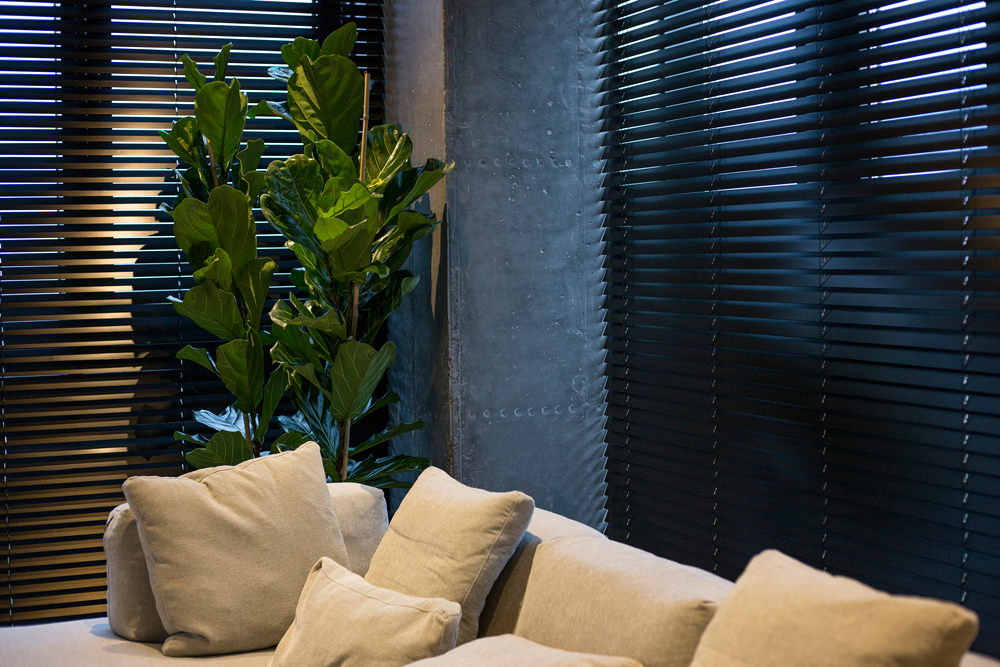
Blinds, with their adjustable slats, offer a dynamic solution for managing light and privacy. Whether you prefer horizontal or vertical orientation, blinds come in various materials such as wood, faux wood, aluminum, or fabric, catering to different styles and budgets. Their adjustability allows you to fine-tune the amount of sunlight entering your space while maintaining privacy as desired. Moreover, modern advancements have introduced motorized options, enabling remote control operation for added convenience. The flexibility offered by blinds vs shutters makes them particularly appealing for homeowners who frequently adjust their lighting and privacy levels.
In contrast, shutters embody a classic elegance that transcends trends. Made from durable materials like wood, vinyl, or composite, shutters provide excellent insulation, noise reduction, and light control. Their solid construction ensures longevity, making them a worthwhile investment for homeowners seeking timeless beauty and functionality. Additionally, shutters are available in different styles, including full-height, café, tier-on-tier, or solid panels, allowing for customization to suit your aesthetic preferences and practical needs. The durability and insulation benefits of blinds vs shutters can make shutters an attractive long-term investment.
While blinds offer versatility and ease of adjustment, shutters excel in durability and sophistication. However, the decision between blinds vs shutters isn’t necessarily a binary one. Combining both solutions can maximize their benefits and elevate the overall aesthetics of your space.
Before comparing blinds vs shutters, it is helpful to understand the different shutter styles available.
Types of shutters
Plantation Shutters
Plantation shutters are window treatments featuring wide horizontal slats mounted within a frame, typically made from wood or composite materials. They offer adjustable light control and privacy by tilting the slats, fitting inside the window frame for a sleek look. Originating in the southern US, they’re prized for their durability, insulation benefits, and timeless aesthetic, enhancing both the comfort and style of any space. Considering how plantation shutters compare with other options is an important part of evaluating blinds vs shutters.
Cafe shutters
Cafe shutters are a type of interior window treatment that cover only the bottom half of a window, leaving the top portion exposed. This design allows for privacy while still allowing natural light to enter the room. They are characterized by their charming and versatile style, often featuring smaller louvers or slats compared to traditional plantation shutters. Café shutters are typically made from wood or composite materials and can add a touch of European-inspired elegance to any space. They are popular choices for kitchens, dining areas, and cafes.
Full-height shutters
Full-height shutters extend from top to bottom of the window, offering complete coverage and privacy. They are characterized by wide louvers or slats mounted within a frame, usually made from wood, composite materials, or vinyl. With adjustable slats, they provide versatile light control and ventilation options. Their seamless design enhances any room’s aesthetic while offering durability and insulation benefits. Full-height shutters are popular in various interior styles, adding both timeless elegance and practicality to windows in homes, offices, and commercial spaces. Full-height designs can be particularly useful when comparing blinds vs shutters for rooms where complete window coverage is important.
Tier-on-tier shutters
Tier-on-tier shutters consist of two separate sets of panels, one on top of the other, allowing for independent operation. This design offers versatile control over light and privacy, as each tier can be adjusted separately according to preference. Made from materials like wood or composite, these shutters provide durability and aesthetic appeal. They are ideal for rooms where varying levels of light and privacy are desired, offering a practical and stylish window treatment solution suitable for a range of interior designs.
Solid Shutters
Solid shutters are window coverings made of solid wood or composite materials, lacking the adjustable louvers found in traditional shutters. Offering complete blackout when closed, they excel in providing privacy and insulation. Their sturdy construction enhances security and noise reduction, making them ideal for bedrooms or rooms requiring a serene ambiance. With a timeless aesthetic, solid shutters add character and elegance to any space, offering a classic window treatment option that complements various interior styles. For bedrooms and other private spaces, blinds vs shutters should be evaluated based on blackout performance, insulation, and privacy.
Shaped shutters
Shaped shutters are customized window treatments crafted to fit non-standard window shapes such as arches, circles, or triangles. They are meticulously designed to match the unique contours of the window, offering both functional benefits and aesthetic appeal. Made from materials like wood or composite, shaped shutters provide versatility in light control and privacy while adding a distinctive charm to any room. Ideal for enhancing architectural features or creating focal points, these tailored shutters offer a personalized touch to windows, elevating the overall design aesthetic of the space.
Exploring the different blind styles makes it easier to understand the practical differences between blinds vs shutters.
Types of blinds
Venetian blinds
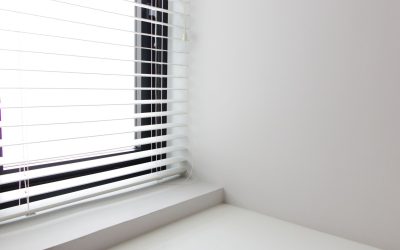
Venetian blinds consist of horizontal slats that can be tilted to control light and privacy levels with precision. Available in wood, aluminum, or vinyl, they offer a modern look and easy maintenance. Their versatile design allows for adjustment of sunlight angles to suit different preferences. With various colors and finishes, Venetian blinds complement diverse interior styles from contemporary to traditional. Popular in homes and offices, they combine functionality with aesthetic appeal.
Roller blinds
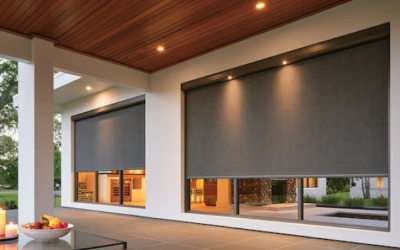
Roller blinds are a sleek and practical window covering option, featuring a single piece of fabric that smoothly rolls up and down with a cord or chain mechanism. Their minimalist design lends a modern touch to any space, making them particularly suitable for contemporary interiors. With a wide selection of colors, patterns, and opacity levels available, roller blinds offer versatile light control and privacy options tailored to individual preferences. Whether for bedrooms, living areas, or offices, their adaptability makes them a popular choice across various environments. Easy to install, clean, and maintain, roller blinds provide both functionality and style in one convenient package. Their streamlined design is one reason homeowners often compare roller blinds when researching blinds vs shutters.
Roman blinds
Roman blinds, crafted from fabric that elegantly folds when raised and lies flat when lowered, offer a classic and refined window treatment option suitable for diverse interiors. With a plethora of fabric choices, they provide customizable light control and privacy. Their tailored appearance makes them a popular choice for living rooms, bedrooms, and dining areas, adding sophistication to any space. Easy to operate, install, and maintain, Roman blinds seamlessly blend practicality with style, making them a favored choice for homeowners seeking both functionality and elegance.
Vertical blinds
Vertical blinds consist of individual slats that hang vertically, offering practical light control and privacy options for large windows and sliding doors. Available in a variety of materials like fabric, vinyl, or aluminum, they come in various colors and textures to complement diverse decor styles. Their easy operation and maintenance make them a popular choice for both residential and commercial spaces, providing a functional and stylish window covering solution.
Honeycomb/Cellular Blinds:
Honeycomb or cellular blinds feature a unique honeycomb structure that traps air, providing insulation and energy efficiency. They come in single or double-cell options and are known for their sleek appearance and ability to enhance both style and comfort in any room. Energy efficiency is another factor worth considering when evaluating blinds vs shutters for your home.
Choosing the Right Option for Your Space
Choosing the right option for your space involves a multifaceted approach, taking into account several key factors such as the intended purpose of the space, your individual preferences, budgetary considerations, and the existing decor. Whether you’re embarking on a home renovation project, outfitting a new office space, or designing a retail environment, here are some essential steps to guide your decision-making process:
A careful comparison of blinds vs shutters can help you identify the option that balances appearance, performance, and cost.
Define the Purpose
Begin by clearly defining how the space will be used. Is it intended to be a cozy living room for hosting gatherings, a functional home office space conducive to productivity, or a stylish retail setting aimed at showcasing products to customers? Understanding the primary function of the space will serve as a crucial foundation for making informed design choices. The intended use of each room can influence your decision when comparing blinds vs shutters.
Consider Practicality
When weighing blinds vs shutters, consider factors such as cleaning, durability, window size, and everyday operation. Factor in practical considerations such as the size and layout of the space, anticipated foot traffic patterns, maintenance requirements, and the durability of materials. For example, areas with heavy foot traffic may necessitate flooring options that are resilient and easy to clean.
In terms of window treatments, options like shutters and blinds offer both practicality and aesthetic appeal. These versatile window coverings not only provide privacy and light control but also contribute to the overall visual charm of a room. Whether you opt for the timeless elegance of plantation shutters or the sleek versatility of horizontal blinds, selecting the right window treatment can significantly enhance the functionality and ambiance of your space.
Reflect Your Style
Infuse your personal style preferences into the design process. Consider the overall aesthetic you wish to achieve, whether it’s a contemporary, traditional, minimalist, or eclectic look. Choose decor elements that resonate with your individual taste and seamlessly complement the existing design scheme.
Budget Constraints
Comparing the initial and long-term costs of blinds vs shutters can help you stay within your budget while choosing a durable solution. Establish a clear budget for your project and explore options that align with your financial parameters. While it’s important to consider the upfront costs, don’t overlook the long-term expenses associated with maintenance and potential replacements. Striking a balance between quality and affordability is key to achieving a successful outcome.
Seek Professional Advice
When in doubt, don’t hesitate to seek guidance from experienced professionals such as interior designers, architects, or window treatment specialists. These experts can offer valuable insights tailored to your specific needs and help you navigate the myriad options available, including the selection of optimal shutters and blinds for your windows.
Test Samples
Whenever feasible, obtain samples of materials or products under consideration and assess them within the context of your space. This hands-on approach allows you to evaluate factors such as color, texture, and light diffusion, ensuring that your chosen elements harmonize seamlessly with your interior environment.
Think Long-Term
Looking at longevity and ongoing performance is essential when making a decision between blinds vs shutters. Adopt a forward-thinking mindset and consider the long-term implications of your design choices. Prioritize durable materials and timeless designs that will withstand the test of time, minimizing the need for frequent updates or renovations. This principle applies not only to furnishings and finishes but also to window treatments like shutters and blinds, which should be selected with an eye toward lasting style and functionality.
Trust Your Instincts
Ultimately, trust your instincts and intuition when making design decisions. Don’t be afraid to take calculated risks and infuse your personality into the creative process. By staying true to your vision and embracing your unique design sensibilities, you can create a space that not only meets your practical needs but also reflects your individuality and enhances your overall well-being.
By following these comprehensive guidelines and incorporating the optimal shutters and blinds strategically throughout your space, you can achieve a harmonious blend of functionality, aesthetics, and personal style, resulting in a truly exceptional environment tailored to your specific requirements and preferences.
Conclusion
When deciding between Blinds vs shutters, it’s crucial to assess your specific requirements and the aesthetic appeal you aim to achieve in your space. Blinds offer versatility, affordability, and a wide array of styles and materials, making them suitable for various environments. With blinds, you can easily control light levels and privacy to suit your needs. Conversely, shutters exude timeless elegance, durability, and superior light control, lending a classic charm to any room. Your choice should consider factors like desired aesthetics, maintenance requirements, and budget constraints. Whether opting for the adaptability of blinds or the sophistication of shutters, both options can significantly enhance the functionality and visual appeal of your space when chosen thoughtfully. Consider BlueChip shutters and blinds for the perfect fit for your space.
FAQs
1. What is the main difference between blinds vs shutters?
The main difference is their construction and functionality. Blinds typically use adjustable slats or fabric, while shutters are more solidly constructed and fitted within a frame, offering durability and a classic appearance.
2. Which is better for light control, blinds or shutters?
Both can provide effective light control. Blinds generally offer flexible adjustment, while shutters with adjustable louvers provide precise control over sunlight and privacy.
3. Are shutters more durable than blinds?
Shutters are generally considered highly durable because of their sturdy construction and materials. However, the lifespan of either option depends on the material, quality, installation, and maintenance.
4. Are blinds more affordable than shutters?
Blinds are often available at a wider range of price points and can be more affordable upfront. Shutters may require a larger initial investment but can offer long-term durability and value.
5. Which window treatment is easier to maintain?
Maintenance depends on the material and design. Many blinds can be cleaned easily with regular dusting, while shutters are also relatively simple to maintain with routine cleaning.
6. What types of shutters and blinds are available?
Shutter options include plantation, café, full-height, tier-on-tier, solid, and shaped shutters. Blind options include Venetian, roller, Roman, vertical, and cellular blinds.
7. Should I choose blinds or shutters for my home?
Consider your priorities, including style, privacy, light control, durability, maintenance, and budget. Comparing these factors can help you determine which option best suits your space.